- The Tree of Life
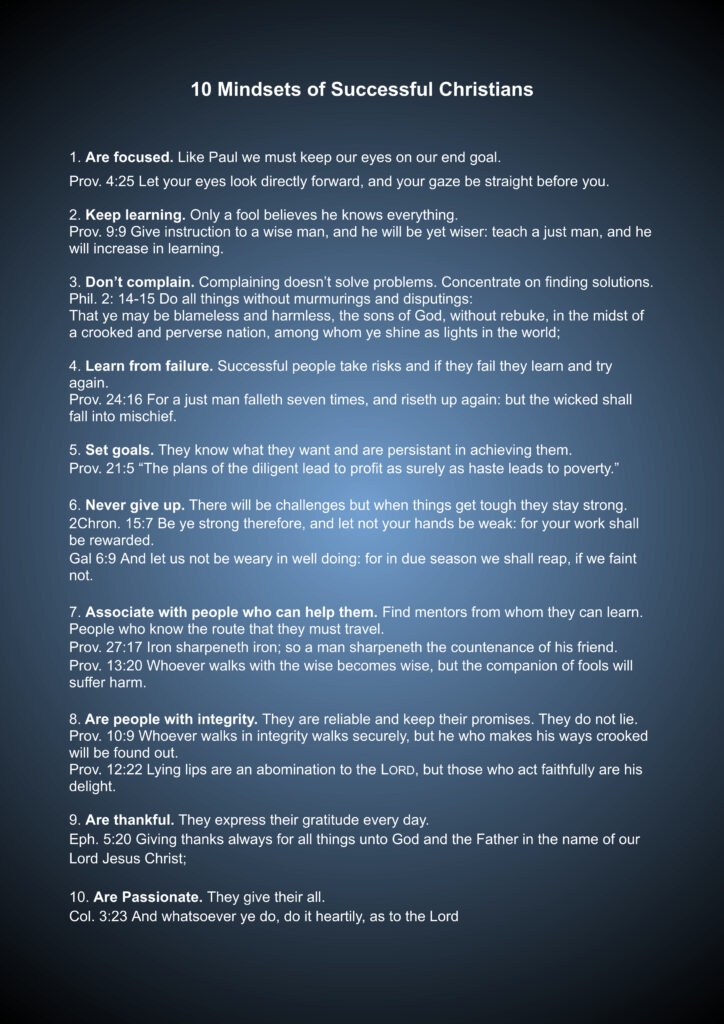
- 10 Mindsets of Successful Christians
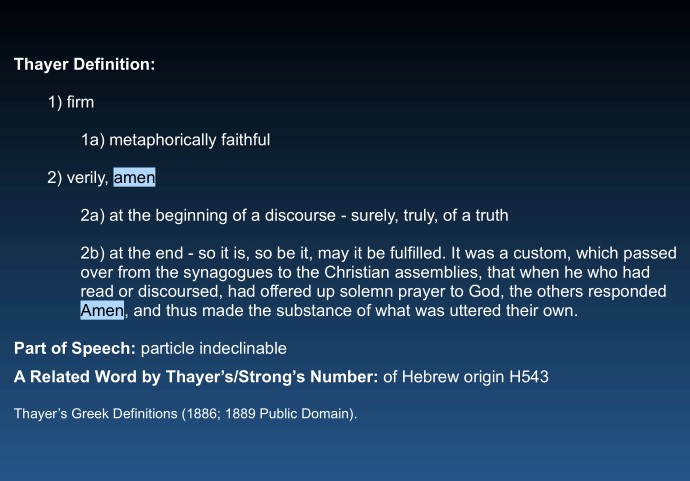
- Amen definition
- The mark of the beast
What Was the Mark of the Beast?
The book of Revelation includes a text describing the arrival of an evil “beast,” the enemy of God’s people. When this happens, the followers of Christ will be excluded from participating in the local economy unless they agree to place the mark of the beast upon their head and hand (Rev. 13:16-18).
To understand the original meaning of this “mark of the beast,” we need to know some Biblical background. The central Jewish text that is recited twice daily declares, “Hear, O Israel! The LORD is our God, the LORD is one.” The next part is less famous but also essential, “And you shall bind them [God’s commandments] as a sign on your hand, and they shall be on your forehead” (Deut. 6:4-8).
If the book of Revelation is read with awareness of the first-century Jewish context, the meaning of many seemingly odd phrases becomes evident. To grasp this passage, we need not wonder whether one day all people will undergo a medical procedure in which a chip will be inserted under human skin. Instead we can understand the mark of the beast as a clear, outwardly expressed opposition to the commandment to worship the God of Israel alone.
In the first century many Christians wondered deeply about the nature and limits of this commandment in Deuteronomy. They considered whether it was possible to publicly honour some Roman deities while privately maintaining their worship of Israel’s God through Christ. Doing so would ensure their economic survival and prosperity under the watchful eye of the Roman authorities. However, the book of Revelation advocates an unapologetically anti-idol position – only worship of the one true God of Israel is permitted.
The mark of the beast would then be more about what goes on in your mind and what you do with your hands. For unbelievers or fence-sitters the mark of the beast would be their thoughts and the work of their hands. Unbelief, doubt and fear would rule their hearts.
Etz Chaim The Tree of Life The wooden rollers on a Torah scroll, to which the parchment is attached, are called Etz Chaim (עץ חיים), meaning “Tree of Life” in Hebrew, symbolizing the Torah itself as life-giving wisdom While Etz Chaim often refers to the whole Torah or synagogues, it specifically denotes the wooden handles/dowels (plural: Atzei Chaim) that allow the scroll to be rolled and held, making it a “tree of life” for the Jewish people. Jesus is The Word (John 1:1)
John 14:6 Jesus saith unto him, I am the way, the truth, and the life: no man cometh unto the Father, but by me.
Through Him we will have everlasting life.